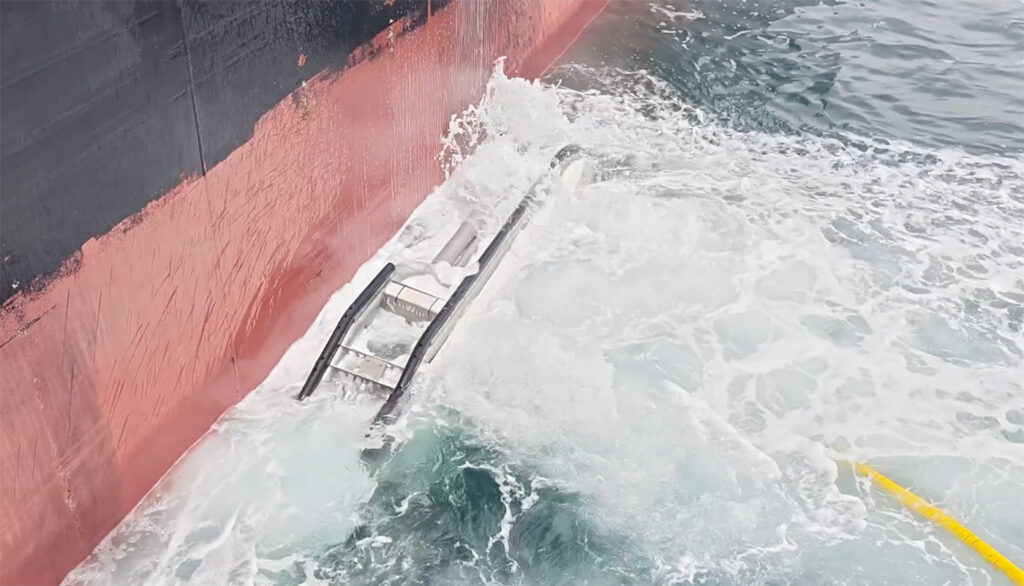
Trosvik Oceantech has embarked on a new development project for its MultiCleaner ROV. The goal is to enable ship hull cleaning without releasing biofouling, non-native species or other unwanted substances into the sea.
ChatGPT sa:
“We want to take hull cleaning a significant step forward. Our goal is for the MultiCleaner ROV to clean hulls efficiently while also capturing and handling the material removed during the cleaning process,” says the managing director Svein Cato Rund i Trosvik Oceantech.
MultiCleaner is a remotely operated vehicle (ROV) designed to clean ship hulls without the need for divers to carry out the cleaning manually.
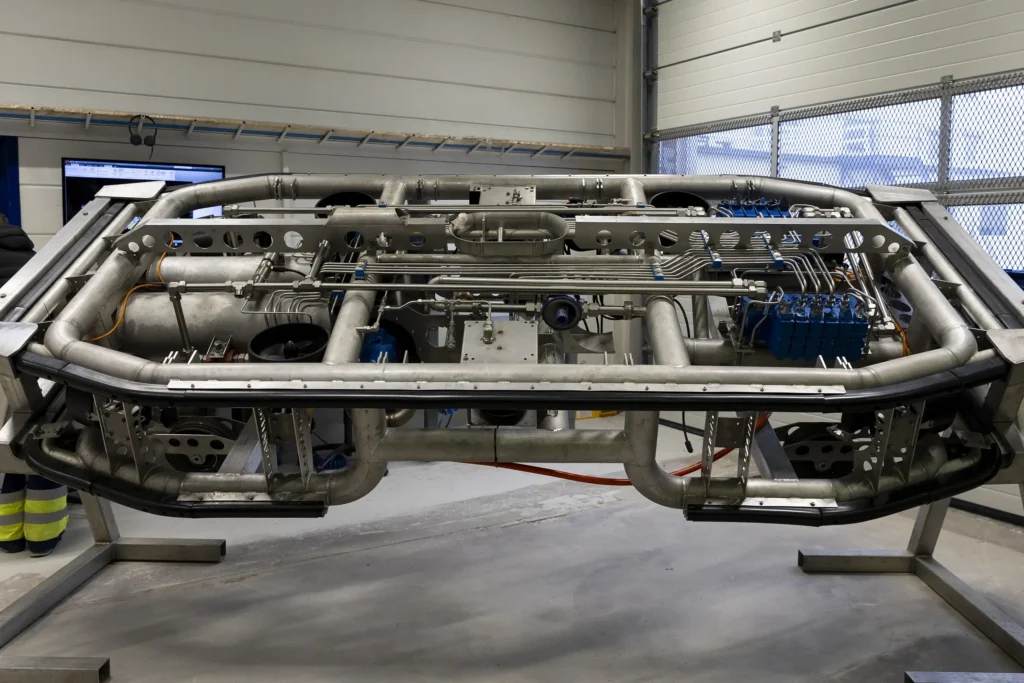
Trosvik Oceantech will now further develop the solution by integrating a system for treating the water and biofouling material removed during the cleaning process.
The project is being carried out in collaboration with Sustaintech Marine, the Norwegian Institute for Water Research (NIVA) and Grenland Port Authority, with funding from Innovasjon Norge.
Preventing the Spread of Marine Organisms
Fouling on ship hulls can range from slime and algae to barnacles and other marine organisms. When this material is removed underwater, it can end up directly in the sea.
This can contribute to the spread of invasive marine species from one marine region to another. Hull cleaning can also release microplastics and other unwanted substances from the ship’s hull.
This is an issue that an increasing number of ports and authorities are focusing on.
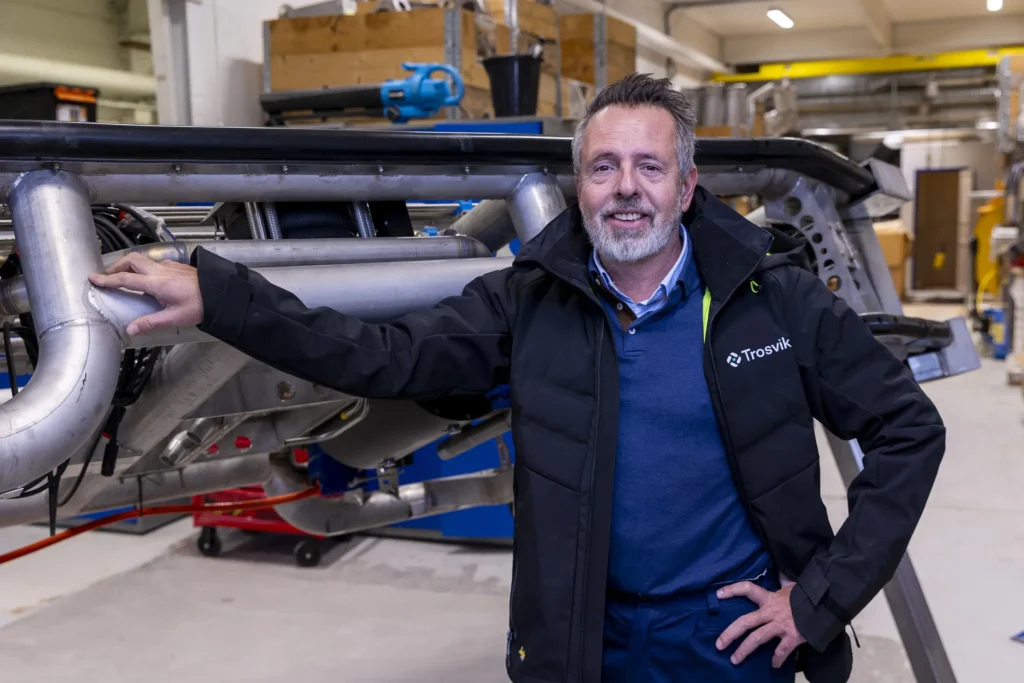
“It’s not enough to clean the hull. We also need to control what we remove. If hull cleaning is to be carried out in an environmentally responsible manner in ports around the world, we must be able to demonstrate that the cleaning process does not create a new environmental problem,” says Rund.
The plan is therefore to integrate water treatment directly into the MultiCleaner system. The cleaning water and material removed from the hull will be treated before the water is discharged back into the sea.
“Our ambition is to develop a solution that allows us to carry out the entire operation under controlled conditions, without divers and without discharging untreated cleaning water back into the sea.”
Collaboration with NIVA and Grenland Port Authority
Several specialist organisations are involved in the development project.
Sustaintech Marine will contribute the water treatment technology and its integration with MultiCleaner. NIVA will play an important role in analysing water quality and documenting the effectiveness of the treatment process.
Grenland Port Authority will provide quay facilities and personnel for testing, among other things, and help establish contact with shipowners and other maritime stakeholders.
“It’s important for us to develop this solution together with organisations that have specialist expertise in their respective fields. We need not only to make the technology work — we must also be able to document the results,” says Rund
The project began in spring 2026 and is scheduled to run until August 2027.
Clean Hulls Mean Lower Fuel Consumption
The project is about more than what happens to the material removed during cleaning.
Marine fouling makes a ship’s hull surface less smooth and increases resistance as the vessel moves through the water. As a result, the ship requires more energy to maintain the same speed.
Regular hull cleaning can therefore help reduce fuel consumption and emissions.
“A clean hull is important for both operating costs and the environment. If we can also carry out the cleaning itself without spreading fouling material into the sea, we will be addressing two important challenges at the same time,” says Rund.
Increasingly Stringent Requirements
Trosvik Oceantech expects international requirements for the management of marine fouling to become stricter in the coming years.
This could make the ability to collect, treat and document material from hull cleaning operations increasingly important for ship service companies, shipowners and ports alike.
Trosvik Oceantech already has a MultiCleaner unit operating at a partner facility in Panama. The experience gained there provides the company with valuable insight into hull cleaning in an international market where both authorities and maritime stakeholders are working towards future regulatory requirements.
“We believe the market will increasingly demand higher standards for how ships are cleaned. That’s why we want to stay ahead of the curve and develop a solution that is both effective for our customers and environmentally responsible,” says Rund.
For him, the project’s goal is simple to sum up:
“We’re not just going to make ships cleaner. We’re going to make the cleaning process itself cleaner, too.”
About Trosvik Oceantech
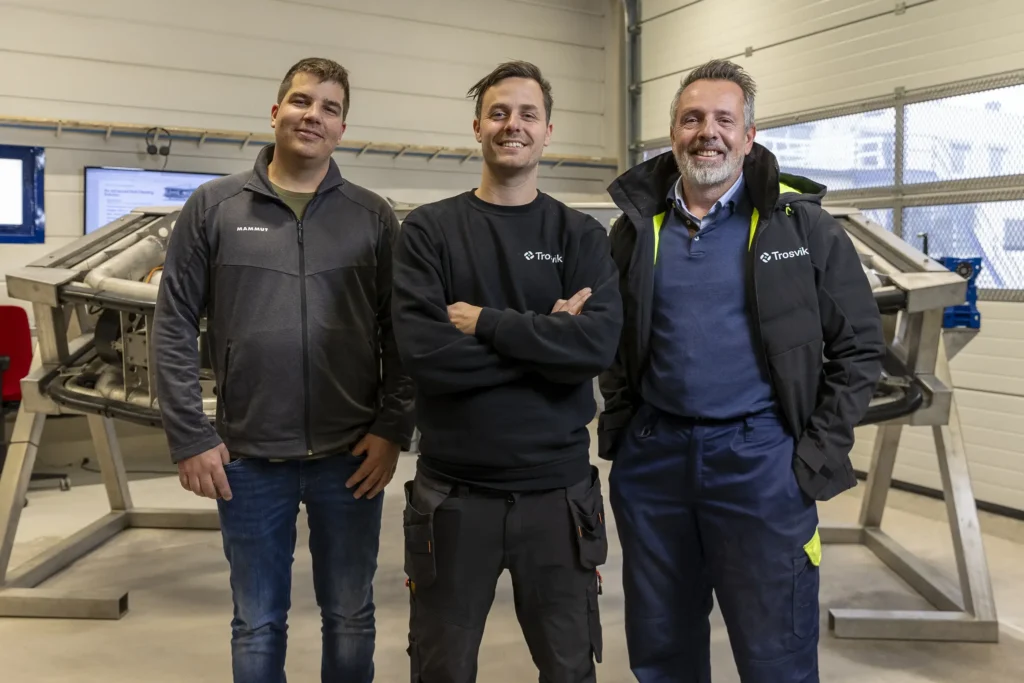
Trosvik Oceantech AS is a maritime technology company based in Brevik, Norway, and part of Trosvik Group. The company develops solutions for cleaner oceans, with its MultiCleaner ROV for professional ship hull cleaning as its flagship product.